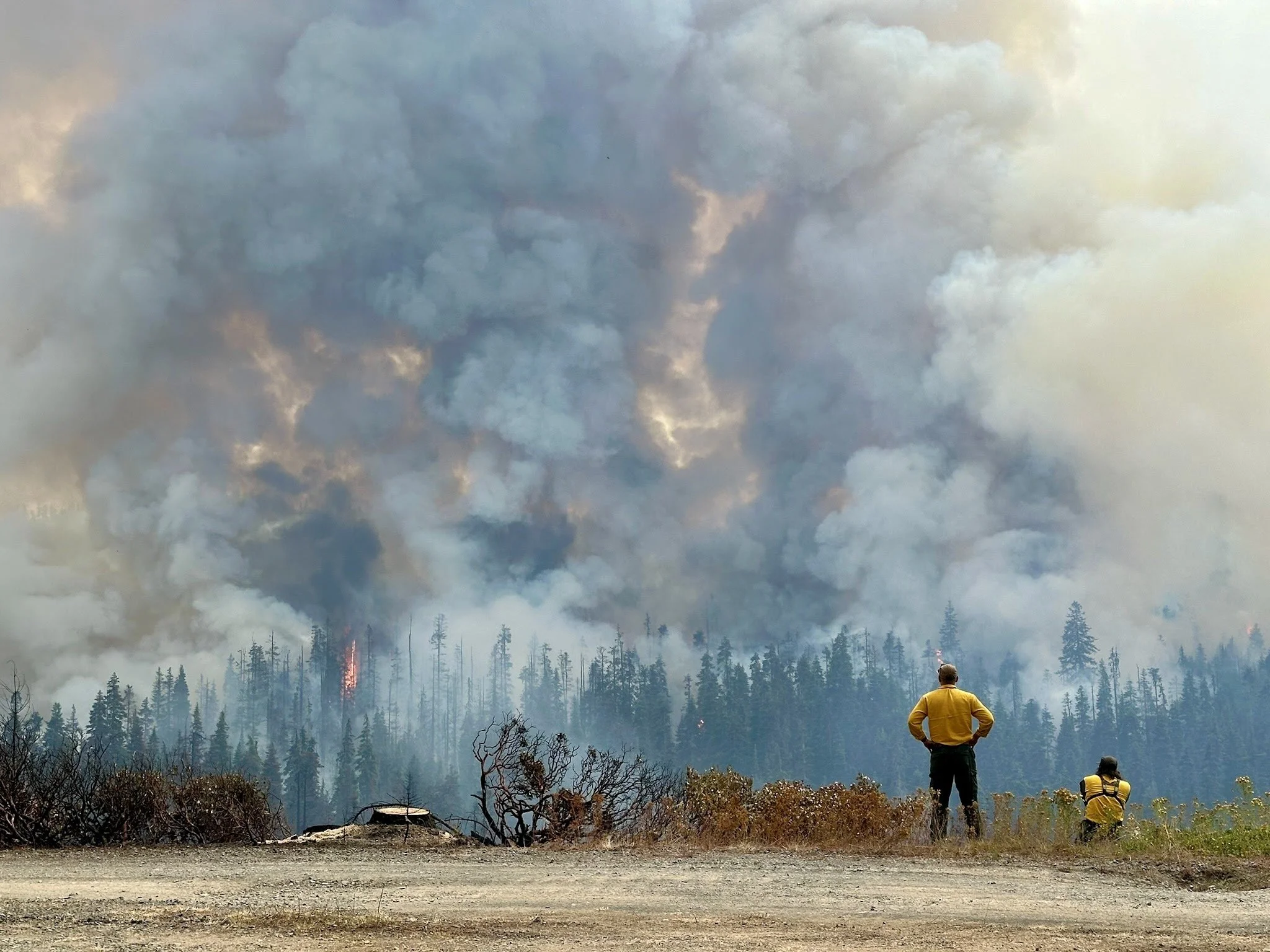
From Firelines to Flood Zones
We Deliver Advanced Rescue and Medical Support
Veteran Owned and Operated
Staffed by critical care medics, trained rescuers, and ready for any terrain.
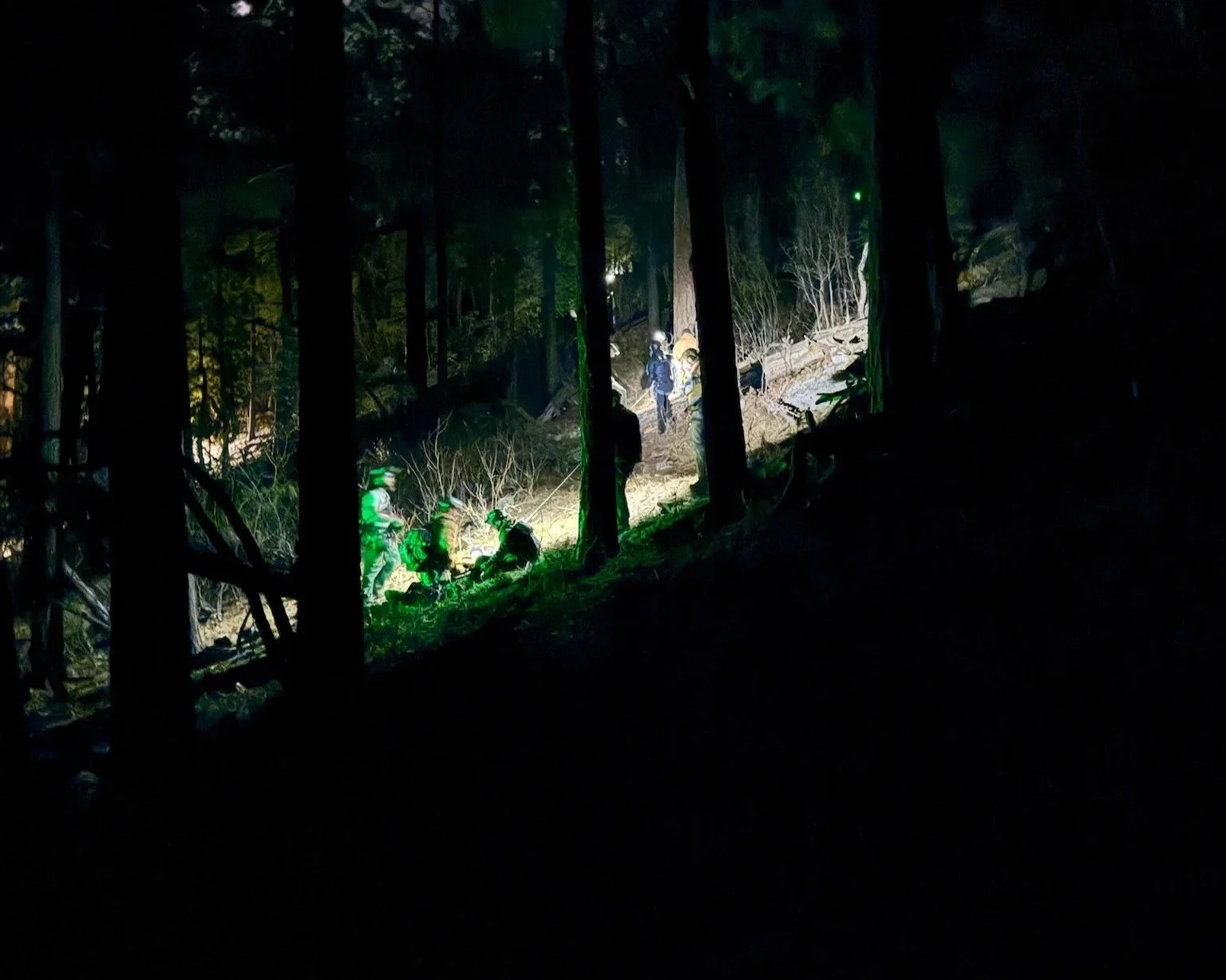
Delivering advanced medical care and technical rescue in the most remote and demanding environments—when precision and timing are critical.
Rapid Response & Expert Rescue
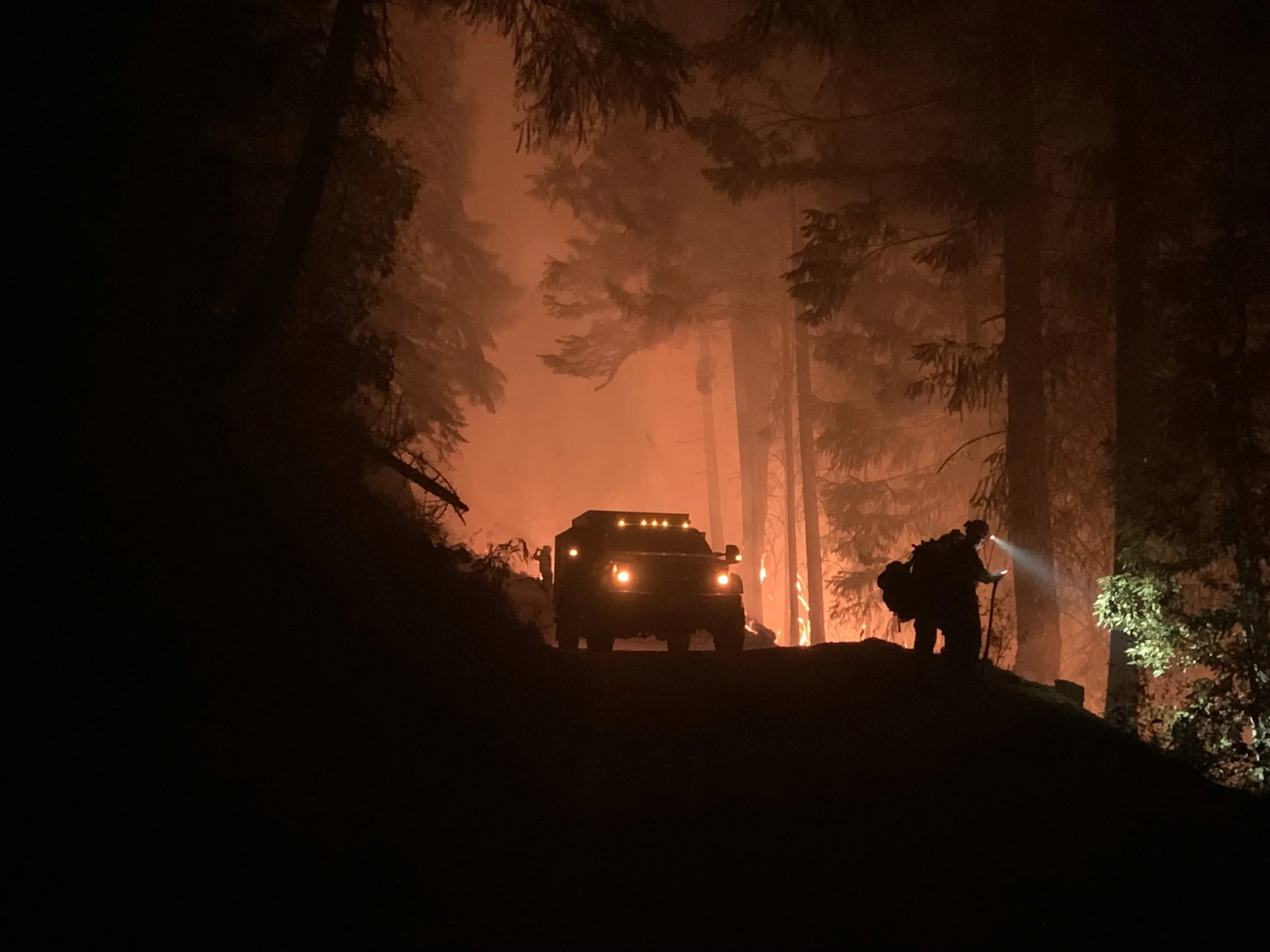
Our Rapid Extrication Module Support (REMS) team operates at the forefront of wildland fire incidents, providing advanced technical rescue capabilities and critical prehospital medical care in high-risk environments. The team specializes in the extrication, stabilization, and medical management of injured personnel in austere and remote conditions, followed by rapid coordination and transport to higher levels of care. Remote Medical Rescue’s REMS personnel train in direct integration with fireline resources, ensuring operational readiness and effective response to real world emergencies through proven, mission-focused solutions.
Our Services
-
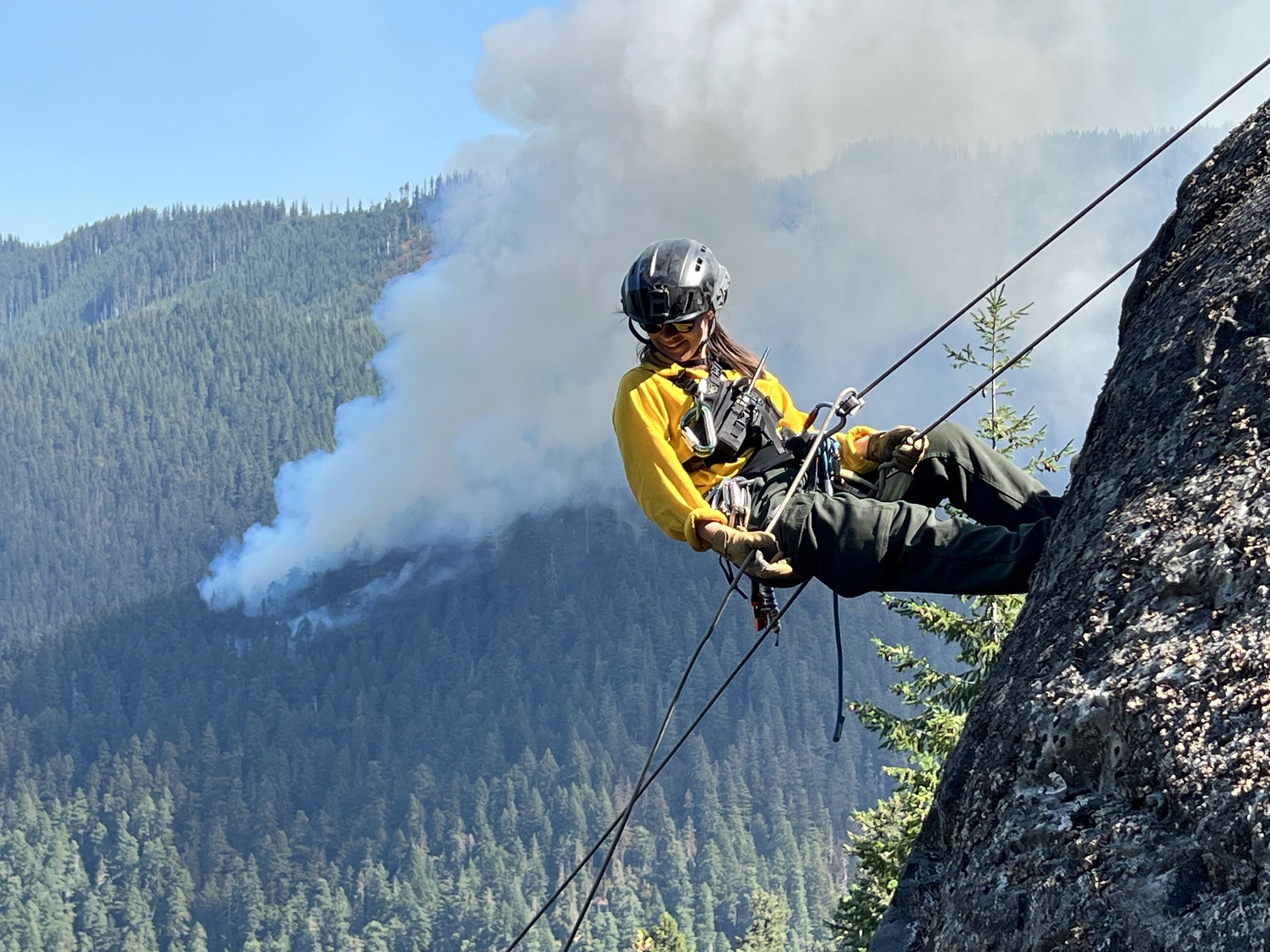
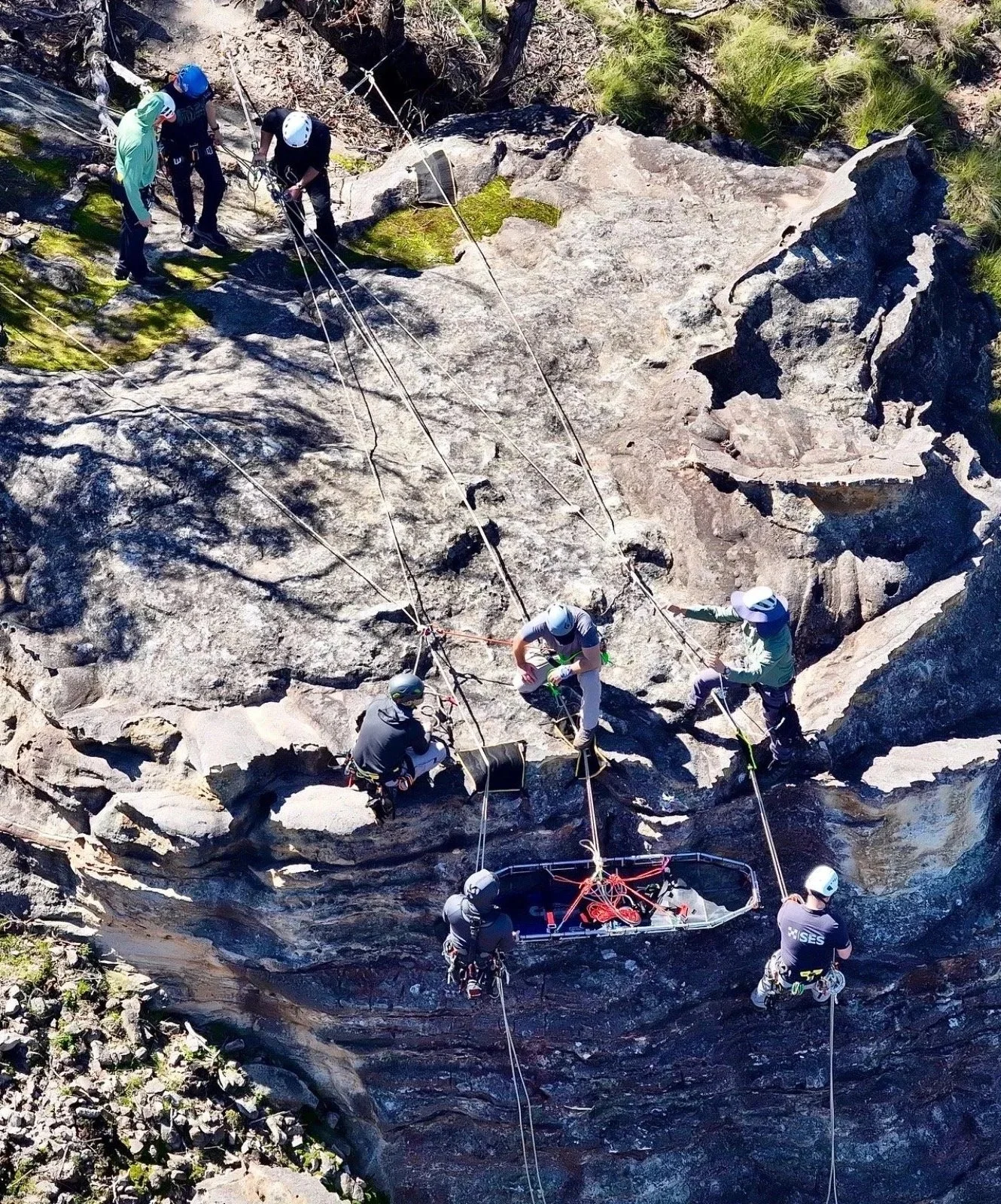
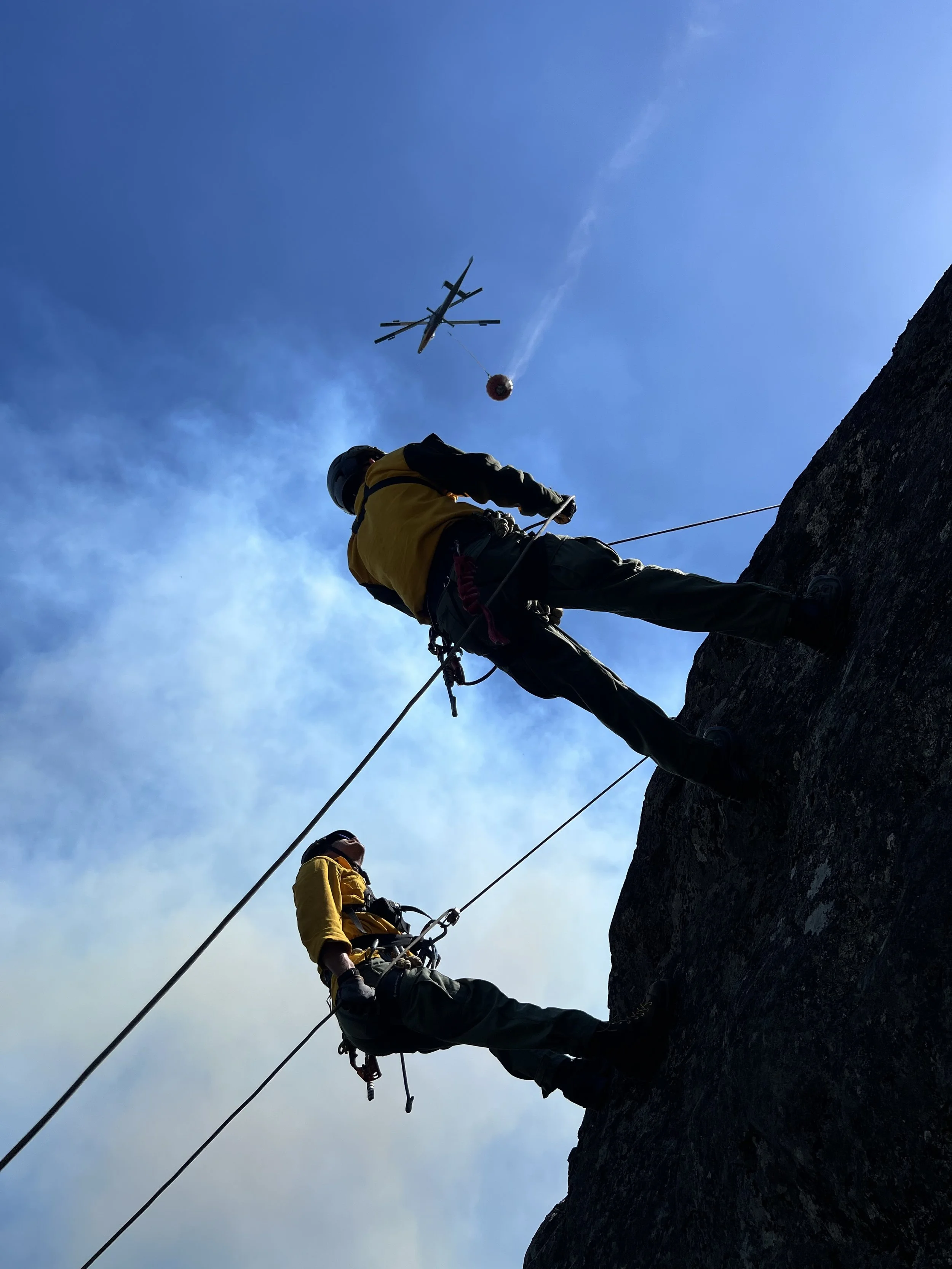
Remote Medical Rescue utilizes rope rescue capabilities to support safe medical access, provider protection, and controlled patient movement in steep, exposed, and remote environments encountered during wildland fire and all-hazard incidents. Rope rescue operations are conducted at either the Light Technical Rope Rescue or Heavy/Technical Rope Rescue level based on terrain, exposure, and patient needs, with an emphasis on risk reduction, system simplicity, and operational integration. All rope operations are performed by trained personnel, utilize redundant anchors and edge management, and are integrated into LCES, fire behavior considerations, and incident objectives, with patient and responder safety prioritized over speed or complexity.
-
Remote Medical Rescue utilizes swiftwater rescue capabilities to support safe medical access, provider protection, and controlled patient movement in moving water environments encountered during wildland fire and all-hazard incidents. Operations emphasize risk reduction and defensive strategies, including shore-based rescues, protected wading, tethered or boat-based access, and low-risk crossings, with clear upstream and downstream safety, communications, and environmental monitoring in place. Swiftwater operations are integrated into LCES and incident objectives, and are conducted only by trained personnel when the benefit to patient care outweighs the inherent risk to responders.
-
Remote Medical Rescue approaches confined space incidents as high-risk, low-frequency operations, providing medical support focused on patient assessment, stabilization, and coordinated extraction in restricted environments. Entry into confined spaces is performed only by appropriately trained personnel and requires hazard identification, atmospheric monitoring, ventilation, access control, and a defined rescue plan. Medical involvement prioritizes responder safety, remote care when possible, and coordination with specialized rescue resources, recognizing that confined space operations carry significant risk to both patients and providers.
-
Remote Medical Rescue conducts vehicle extrication to facilitate timely patient access and safe removal following motor vehicle incidents in remote and austere environments. Operations prioritize scene safety, vehicle stabilization, patient communication, and medical decision-making, with extrication tactics selected to balance patient condition, responder risk, and available resources. Coordination with fire, law enforcement, and aviation assets is emphasized, and extrication is conducted in a manner that supports patient care objectives while maintaining operational safety and situational awareness.
-
Remote Medical Rescue provides immersive, scenario-based education designed to prepare responders for real-world medical operations in wildland fire and austere environments. RMR courses deliver CPR certification, major trauma management, and instruction on effective integration within REMS and MedMod teams on incident. Training is built around the principle of “practice how you play,” utilizing high-fidelity medical moulage that engages all senses to realistically simulate injury patterns and patient presentations. Scenarios incorporate stress inoculation, civilian-grade flash bags, and white and black smoke to replicate the sights, sounds, and cognitive load of wildland incidents. RMR prioritizes realism, repetition, and decision-making under pressure, while maintaining safety and learning objectives. All training can be customized to meet the specific mission, environment, and operational needs of the hosting agency or team.
Remote Medical Rescue is a specialized critical care and technical rescue organization delivering advanced medical support, rapid extrication, and rescue capabilities in remote and high-risk environments. We operate where conventional systems fall short, integrating with fire and incident management teams to provide reliable, patient-focused solutions under challenging conditions.